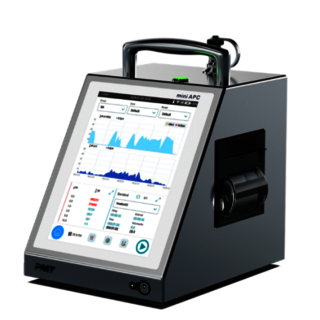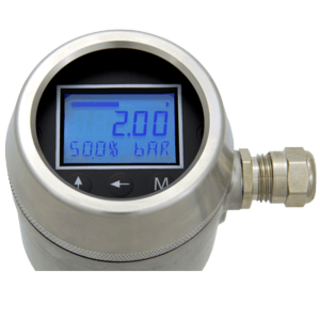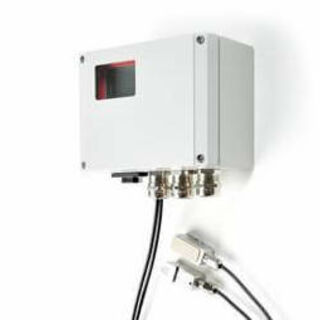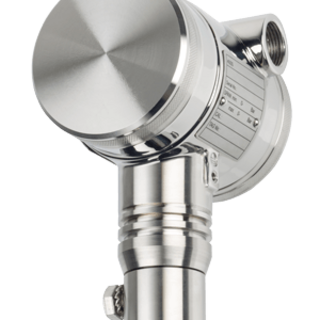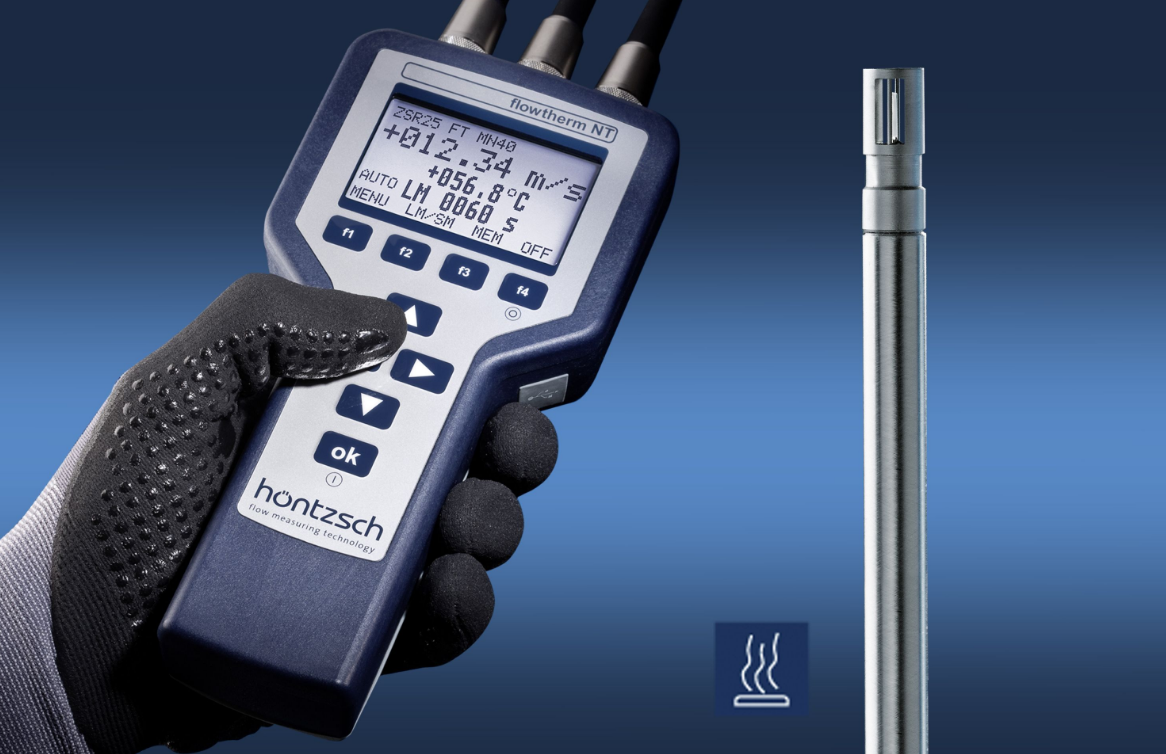
The generation of compressed air is associated with high energy consumption. To specifically reduce consumption and increase energy efficiency, precise measurement of usage is essential. As part of energy management according to DIN EN ISO 50001, measuring compressed air consumption is also mandatory.
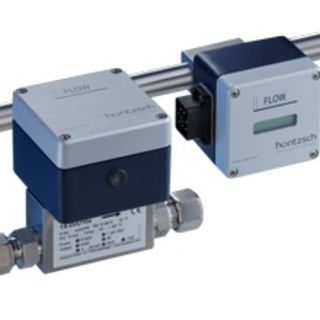
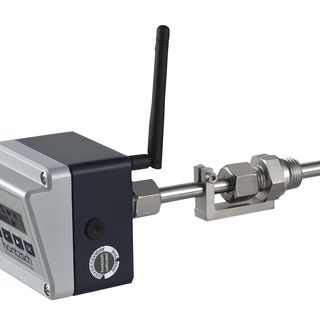
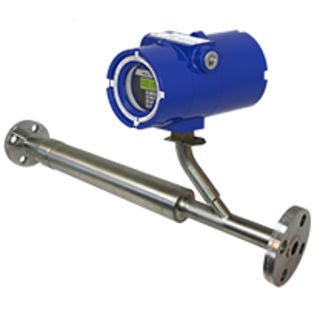
The standard volume flow and mass flow are measured directly in the compressed air line. Measurement can be carried out centrally at the compressor or decentrally in individual production areas, halls, or production cells. Additionally, mobile, short-term measurements are possible to quickly analyze consumption at specific points in the compressed air network and derive optimization measures.
Since the volume flow within a compressed air network can vary significantly, sensors with high measurement dynamics are required. Modern thermal measurement methods allow reliable detection over a large measurement range while keeping pressure loss to a minimum.
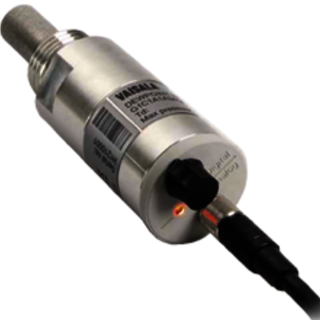
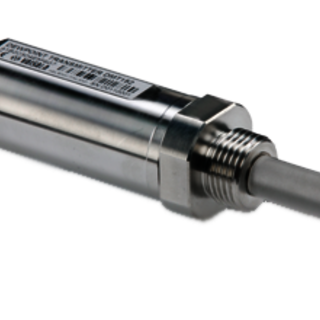
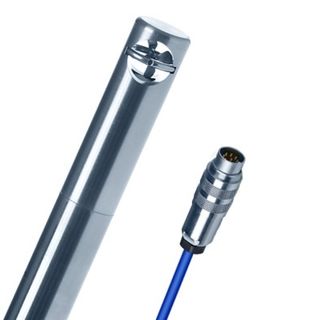
The Vaisala DRYCAP® sensor technology covers the entire relevant dew point range for virtually all compressed air systems. It offers high accuracy, fast response times, minimal drift, and is resistant to condensation, oil, and chemical contamination, thereby reducing costs and optimizing processes in the long term.
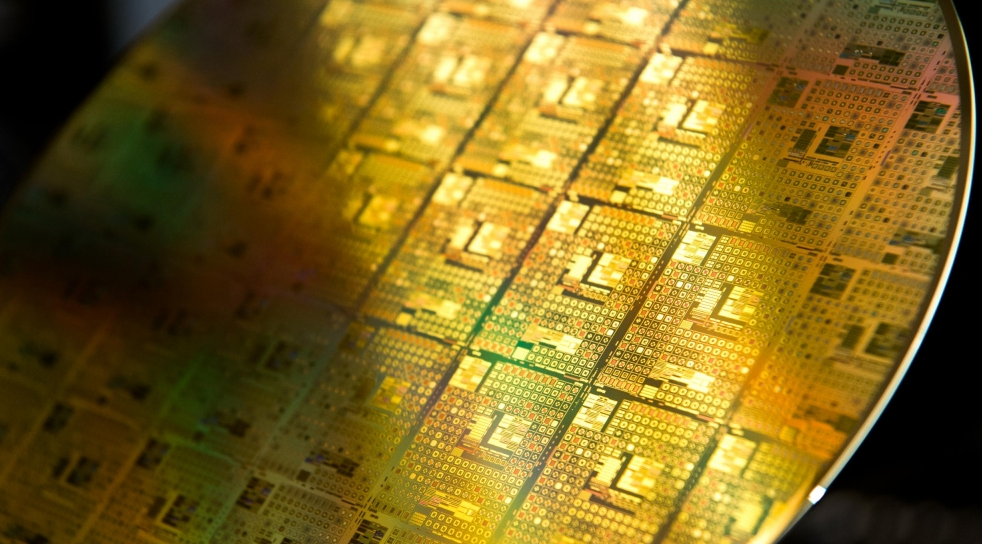
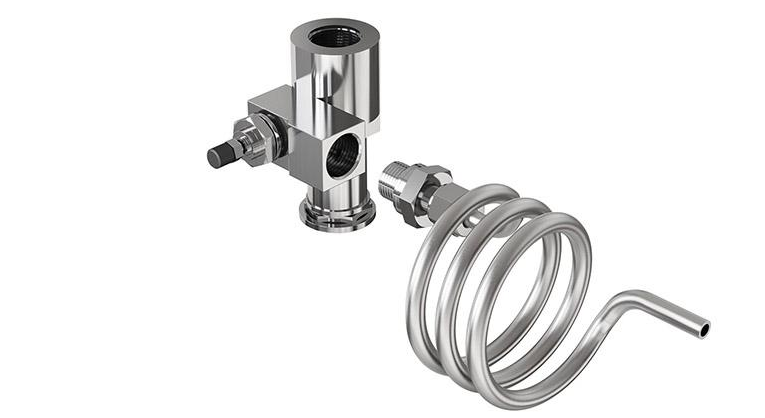
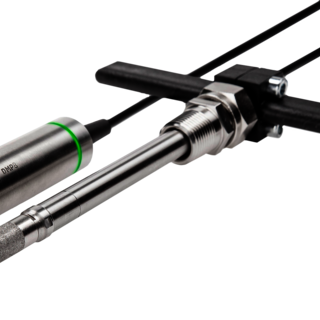
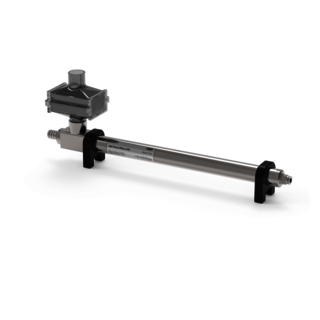
Sampling is needed when direct measurement of the air is undesirable or is simply not feasible. This may be due to a high process temperature, the need to protect the sensor from water spikes, the added convenience of installing and removing the instrument from a pressurized process without shutting down the line or wanting to take the measurement in a more convenient location.
To get a representative sample of the process gas and avoid potential sources of error caused by incorrect sampling practices, a few aspects should be considered. Read more or read an application note with our sample cell options.
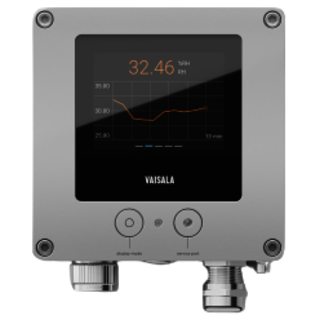
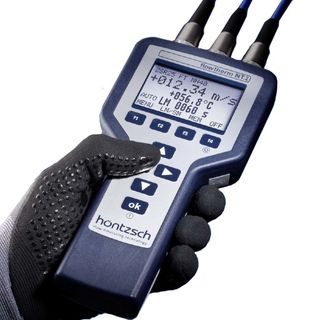
Product Manager Vuokko Lantz explains how dew point measurement values in an industrial compressed air system can be quickly and easily checked on a spot basis using the portable Vaisala Indigo80 display device.
You will also learn about the installation of the DMP80 dew point transmitter and the DSC74 sampling cell in the compressed air system, as well as the use of the Indigo80 data logging function.
At the end of the video, Vuokko Lantz demonstrates how the recorded measurement data can be efficiently managed and analyzed using the Vaisala Insight PC software.
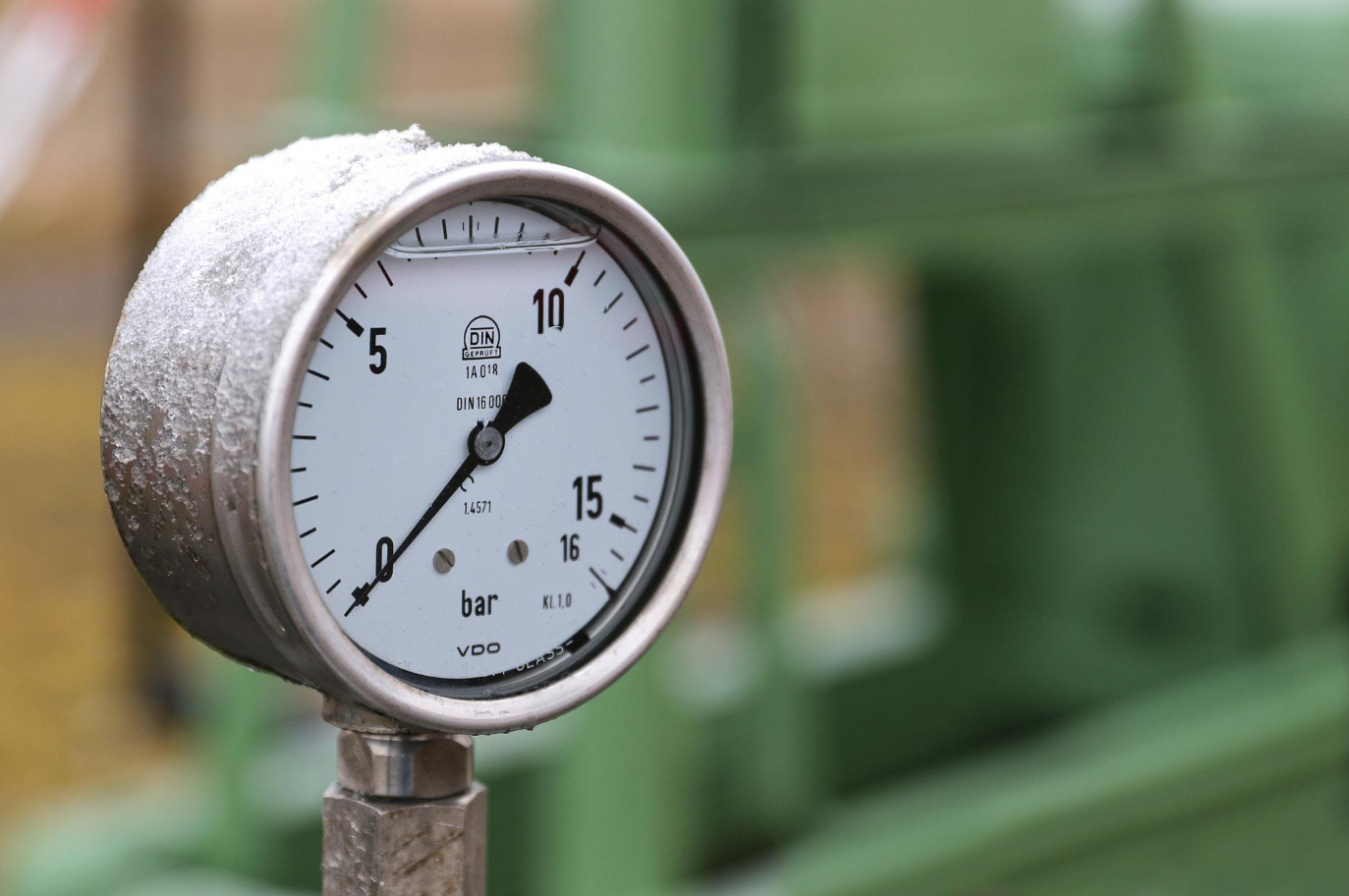
The dew point is one of the most critical parameters for assessing compressed air quality and plays a significant role in the performance and longevity of pneumatic equipment and end products such as 3D printers. Dew point temperature is defined as the temperature at which air must be cooled for the water vapor it contains to condense into liquid water or frost.
Since air can only hold a limited amount of water vapor at a given temperature, there is a maximum saturation level known as the water vapor saturation pressure. While the dew point depends on pressure, relative humidity is primarily influenced by temperature.
Monitoring the dew point helps maintain consistent product quality, protects equipment from moisture-related damage, and prevents unnecessary energy and resource losses.